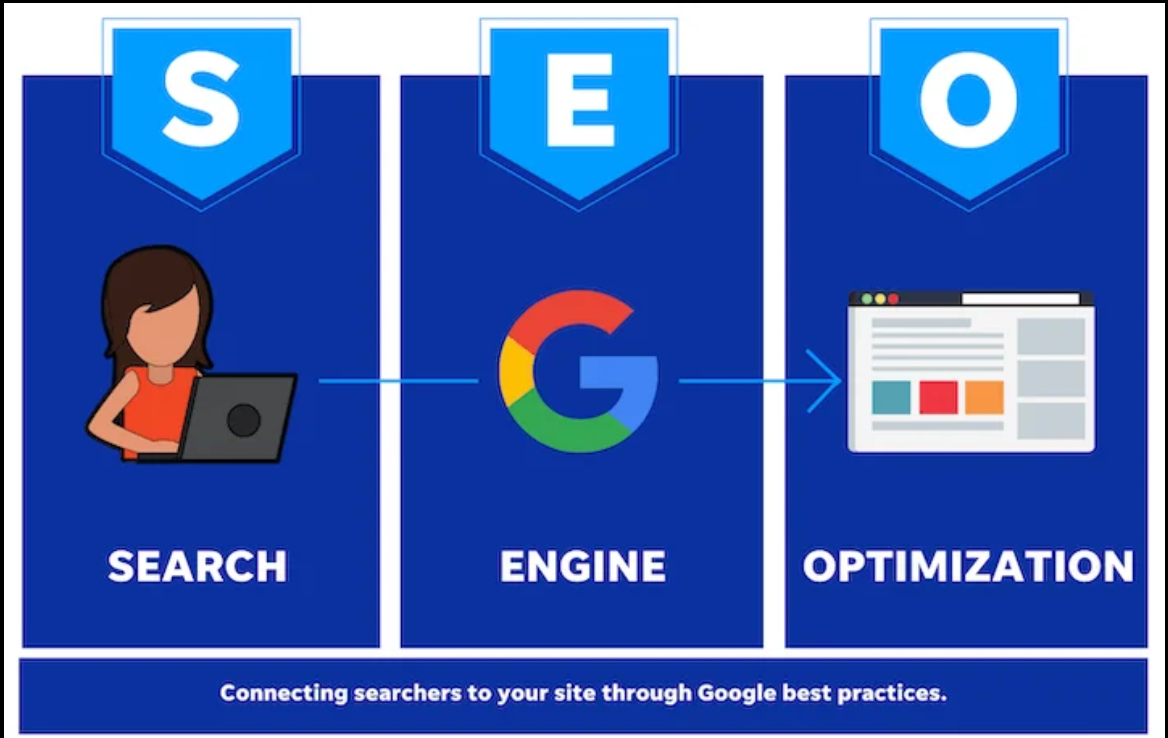
In 2026, SEO is not only about keywords or long articles. Google now pays attention to how your visuals look, load, and help the user. Clean design, optimized images, readable colors, and simple layouts all play a role in ranking.
This new system is called Visual SEO — and it’s becoming a major factor in how Google decides which pages should appear at the top.
Google Lens and Visual Search Are Growing Fast
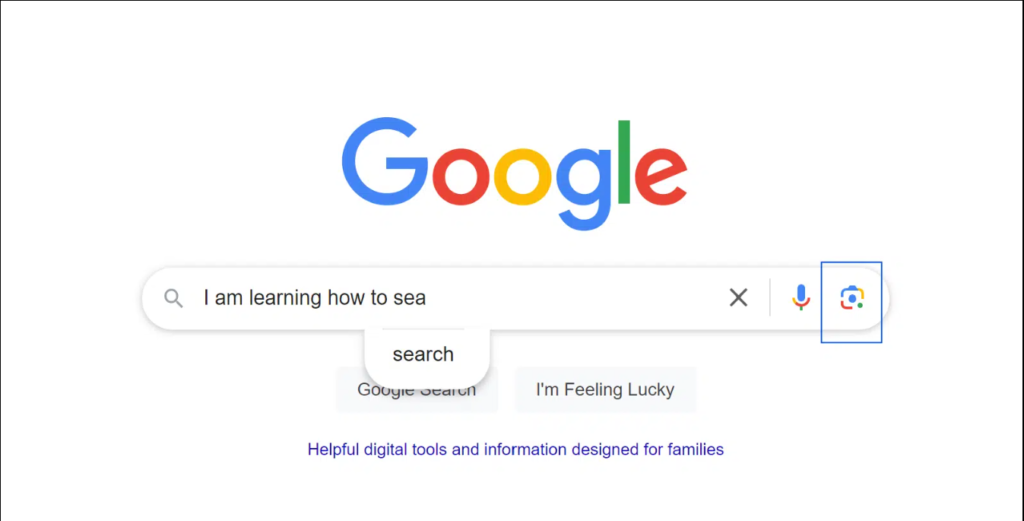
More people now search using images instead of typing.
With Google Lens, users take a photo or screenshot and search instantly.
Because of this big growth:
- Google now “reads” images more deeply
- It checks what visuals mean
- It understands objects, text, colors, and layout inside the image
- It uses these signals to understand your page topic
If your visuals are clear and relevant, your website becomes easier to discover through both visual search and normal search.
How Images, Colors, and Layout Affect SERP (Search Ranking)
Google measures how users behave on a page. Your design has a direct impact on that behaviour.
Images influence ranking when they:
- match the topic
- load fast
- feel clean and professional
- help users understand the content
Colors influence ranking when:
- contrast is high (easy to read)
- background doesn’t distract
- text is clear and visible
Layout influences ranking when:
- the page is easy to scan
- spacing feels comfortable
- important info appears quickly
- mobile layout is clean and smooth
Better visual comfort = more time spent on the page
More time = better ranking.
How to Optimize Graphics for SEO (Simple Guide)
You don’t need to be an expert. Just follow these easy rules:
- Use high-quality but lightweight images
- Stick to simple layouts and readable text
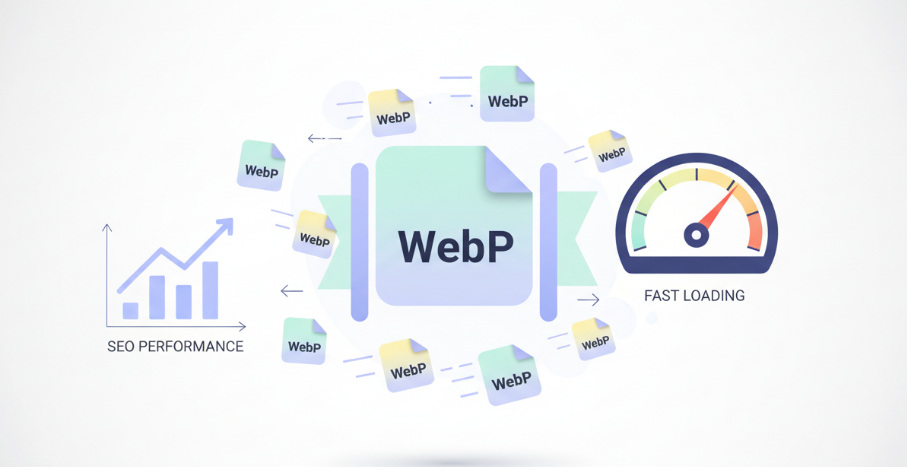
- Save images in WebP or compressed JPG
- Avoid placing text on busy backgrounds
- Keep visuals relevant to your topic
- Maintain consistent colors and style
Clear visuals help both Google and your reader understand your content faster.
ALT Text, File Naming & Image Compression
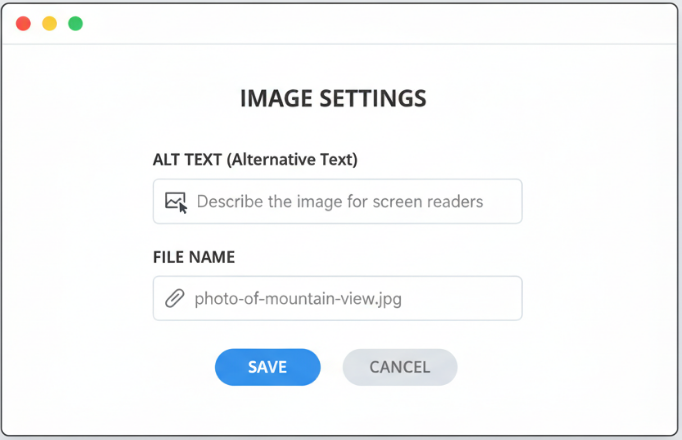
This is the part most people skip… but it matters a lot.
ALT Text
Write a short, clear description of the image.
Example:
“Minimal infographic describing SEO ranking factors in 2026.”
ALT text helps:
- Google understand your image
- visually impaired users
- your chance to rank in Google Images
File Names
Never upload images as: IMG_0283.jpg
Instead use keywords: visual-seo-checklist-2026.webp
Google reads file names like real text.
Compression
Large images slow your page down.
A slow page = bad ranking.
Use:
- TinyPNG
- Compress.io
- Canva’s “Reduce File Size”
Your images will load fast without losing quality.
Real Case Examples: How Visuals Change SEO Performance
- Blog Images
Clean, simple blog visuals increase reading time.
Pages with optimized images usually rank higher because users scroll more.
2. Carousels
Carousels with:
- simple fonts
- high contrast
- structured layout
…keep users engaged for longer.
Google sees this as a positive signal.
3. Website Banners
A banner with:
- clear text
- focused message
- lightweight file size
…improves first impression and page loading speed.
Both are strong SEO factors.
Conclusion
In 2026, design and SEO are deeply connected.
Your images, layout, colors, and optimization steps directly affect how Google ranks your website.
Visual SEO is not complicated.
Just keep your visuals:
- clean
- fast
- clear
- relevant
- well-optimized
If you do that, your pages will perform better on search engines and deliver a smoother experience for users.